01
Understand your business
We explore your processes, the tools you use and any relevant spaces or equipment. We start with the outcome you need.
It starts with listening.
We build management software, automate tasks and connect sensors to your systems. Organise work, track consumption and get useful information about what happens in your business.
01 / Automation & AI
We automate sales, operational and administrative processes by connecting the tools you use. We apply AI to interpret information and prepare responses, with rules and reviews tailored to your business.
Connected processes, reviewed decisions
In this illustrative scenario, an enquiry is organised, a proposal is prepared for review and the team receives the next step. We build the workflow and connections around your business.
Agreed for each project
Problem: Interested contacts are left without follow-up.
How it can work: Qualify an enquiry and prepare the next contact.
Information needed: Authorised channels, qualification questions, history and contact rules.
Human involvement: Special conditions and cases without a suitable response go to the team.
Problem: Preparing proposals repeats the same work.
How it can work: Organise requirements and apply defined prices in a proposal template.
Information needed: The request, template, price catalogue and commercial rules.
Human involvement: Prices and exceptions are reviewed before sending.
Problem: Requests arrive with scattered information.
How it can work: Create a record with the client, subject, owner and deadline.
Information needed: The request, client records and routing rules.
Human involvement: Ambiguities are held for confirmation.
Problem: Deadlines, blockers and unanswered matters go unnoticed.
How it can work: Notify the owner of a pending task and follow its resolution.
Information needed: Tasks, statuses, deadlines, owners and alert rules.
Human involvement: The team addresses blockers and confirms resolution.
Problem: Reports require manually gathering information.
How it can work: Consolidate agreed sales, cost or operational data, identifying its source and update time.
Information needed: Data sources, indicator definitions and update frequency.
Human involvement: The team reviews inconsistencies and validates information used for decisions.
Problem: Supplier enquiries, quotes and documents are difficult to compare.
How it can work: Prepare a comparison and flag differences between a purchase and the received document.
Information needed: Quotes, purchase order, received document and approval rules.
Human involvement: Spending is approved under agreed rules; exceptions are reviewed.
Problem: Replenishment needs are identified too late.
How it can work: Flag minimum levels and propose replenishment using available data.
Information needed: Stock levels, movements, minimums, units and suppliers.
Human involvement: Exceptional purchases are reviewed by the team.
Problem: The team repeats answers and searches across multiple sources.
How it can work: Consult approved documentation and hand over a case with context and a proposed response.
Information needed: Approved documentation, authorised history and routing rules.
Human involvement: Matters outside the agreed scope go to the team.
Problem: Invoices, payments and due dates are scattered.
How it can work: Integrate with the invoicing tool, confirm payment statuses and prepare reminders.
Information needed: Completed service, documents, payment statuses and reminder policy.
Human involvement: Disputes and exceptions go to a person.
Problem: Applications and scheduling require manual organisation.
How it can work: Structure experience and qualifications against defined criteria and help schedule interviews.
Information needed: Applications, defined criteria and interview availability.
Human involvement: The team decides selection and hiring.
These categories are possibilities for custom projects. We assess integrations and human involvement before building the solution.
02 / Custom management software
We build applications around your company’s processes. From clients and tasks to quotes, documents and financial information, we connect what you need to manage each day.
Custom development
Enquiry → Quote → Work → Payment. An illustrative workflow showing how we can organise work in an application tailored to your company.
A few possibilities
A specific tool or a broader solution: we agree the scope with you. Websites, apps, hosting and support can be part of the project.
IoT & sensors
We connect sensors and meters to your business software. Track temperatures, consumption and events, view historical data and receive alerts when action is needed.
Measurements that help you act
Simulated example: 12.4 kWh for the day, temperature of 22.5 °C and humidity of 54%. Last simulated reading at 10:30. An open-door alert is linked to a task to check the warehouse.
Information in your context
Benefit and application: Track conditions in your spaces, view historical data and define alerts.
Example: Monitor a room, shop or warehouse and flag conditions outside the agreed range.
Compatibility and conditions: Select the probe, measurement range and update frequency for the environment. Battery-powered devices may transmit periodically.
Connection to software: View historical data and link alerts to tasks and owners.
Benefit and application: Detect motion and track light levels.
Example: Flag movement outside working hours or support lighting control.
Compatibility and conditions: Motion detection is not people counting; measurements and communication depend on the model.
Connection to software: Record events and light levels; lighting control requires a compatible actuator.
Benefit and application: Detect opening, closing and tilt on compatible models.
Example: Notify someone when a door is left open.
Compatibility and conditions: Opening, closing and tilt depend on the model capabilities and installation.
Connection to software: Link the event to a notification and view status history.
Benefit and application: Detect the presence of water and leak or rain events.
Example: Notify someone when water appears in a monitored area.
Compatibility and conditions: Leak or rain detection depends on the device mode; it does not measure rainfall volume.
Connection to software: Record the event and route an alert to the assigned owner.
Benefit and application: Integrate events and statuses from compatible detectors.
Example: Record a smoke alarm and notify the people assigned to the installation.
Compatibility and conditions: Integrate only documented events and statuses for the selected detector.
Connection to software: View status and event history in the software without replacing the detector’s function.
Benefit and application: Integrate alarms and statuses from sensors suited to the gas concerned.
Example: Integrate a combustible gas alarm appropriate to the space.
Compatibility and conditions: Selection depends on the gas type, model and availability. Combustible gas and CO₂ sensors serve different purposes.
Connection to software: Record alarms and statuses and route notifications as agreed for the project.
Benefit and application: Measure distances and track levels in compatible applications.
Example: Track the level in a tank.
Compatibility and conditions: Measurement depends on the application and installation; converting level to volume requires the tank geometry.
Connection to software: View levels over time and define threshold alerts.
Benefit and application: Track power, energy, voltage and current according to the installed meters.
Example: Compare circuits, equipment or phases and estimate costs.
Compatibility and conditions: Power, energy, voltage and current depend on the meters. Cost estimates require a configured tariff. Metering does not imply switching or load control.
Connection to software: Bring readings together, compare periods and link deviations to tasks.
Benefit and application: Collect meter readings through compatible outputs or sensors.
Example: Convert meter pulses into consumption.
Compatibility and conditions: Confirm compatible outputs or sensors, the conversion factor and the meter units.
Connection to software: Store readings and consumption history for water, gas or other meters.
Benefit and application: Integrate additional probes and sensors for your other measurement needs.
Example: Integrate probe temperature, CO₂, pressure or another required measurement.
Compatibility and conditions: These measurements require compatible external sensors, including electrical and communication compatibility.
Connection to software: Build the agreed data collection and interface, with historical data and alerts.
We bring sensor data together in a dashboard tailored to your company. View historical data, compare spaces or equipment, and link alerts to tasks and owners. Some devices communicate directly over the network; others need a compatible receiver or gateway.
Sensors detect, meters measure and actuators control compatible equipment under project rules. Shelly is one reference for equipment and integration among the solutions we assess.
Wi-Fi devices with an API can communicate over the network; Bluetooth/BTHome sensors need a compatible receiver and do not provide a direct HTTP API. Local APIs require access to the device network. Remote software needs local collection with authorised forwarding or a suitable cloud integration. HTTP/RPC, MQTT, WebSocket, webhooks and scripts depend on the model and supported functions. External probes need electrical and communication compatibility; a meter does not imply switching or control capability.
Hardware, installation, software and ongoing support are defined for each project. Responsibility for the electrical installation and any required fitting is assigned to a suitable professional.
Developed projects
Alongside custom solutions, we develop our own products. Get to know one of them and see how it works inside.
Web application
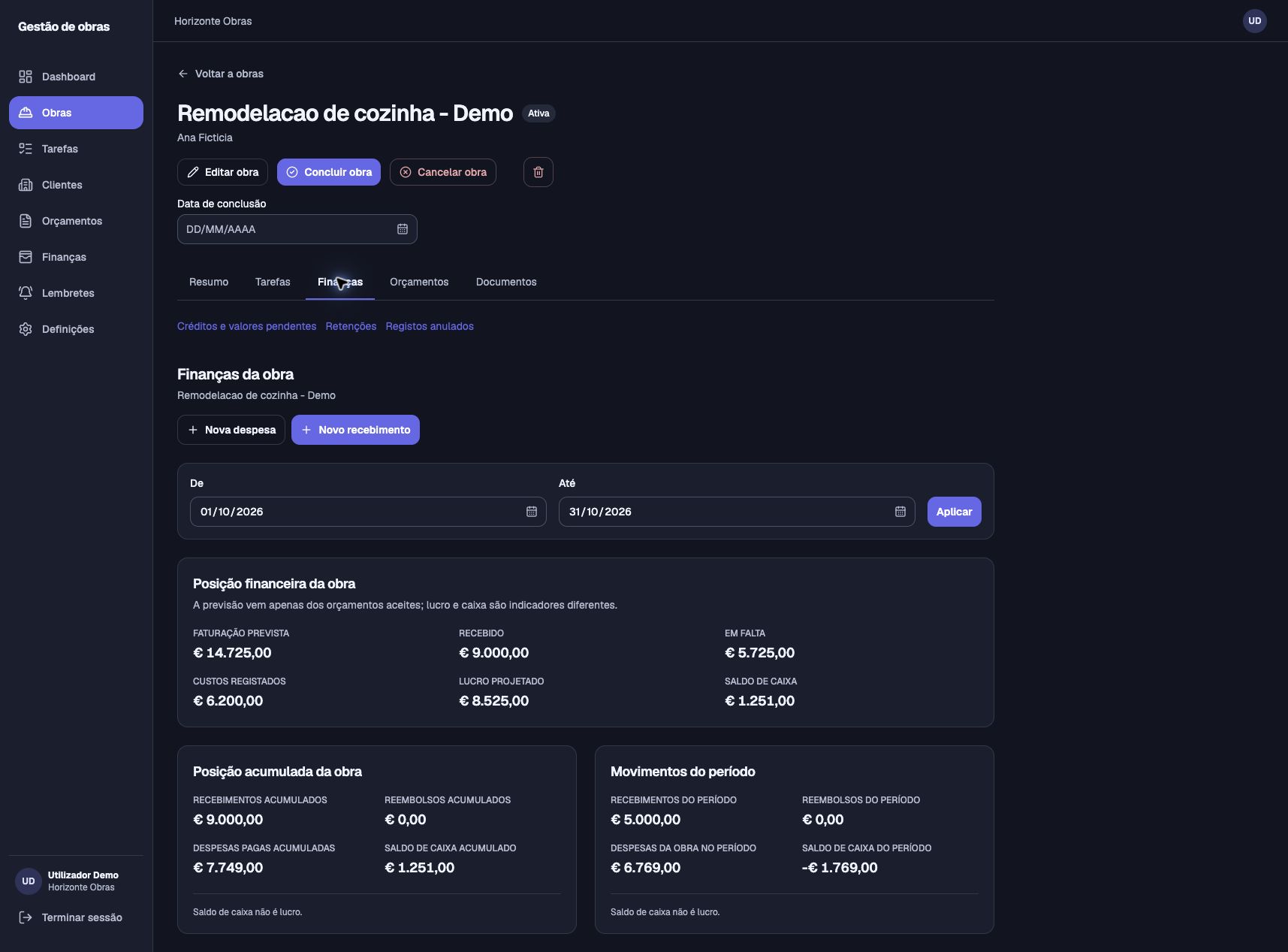
CManagerCManager brings together works, clients, quotes and finances in an application for small contractors and renovation businesses. Keep your team connected and spend less time entering expenses.
04 / How we work
We start by understanding the processes, tools, spaces and equipment relevant to your business. Programming experience and AI as a development aid help us build and verify the agreed solution.
years of experience building software
We listen to the people who know the day-to-day work. We ask questions to understand the challenges, the needs and the outcome you want.
We consider what makes sense to build, connect or automate. We propose an approach that fits the way you work.
We develop and check the solution against what we've agreed with you. We support the handover and the project as it evolves.
Your way
Come with an idea, a problem or just a question. You don't need to know the technical answer. We're here to find it with you.
Easy to talk to. Thoughtful in our work.
From first contact to ongoing improvement
Keep it simple. From the first message to a working project, you'll always know the next step.
We explore your processes, the tools you use and any relevant spaces or equipment. We start with the outcome you need.
We agree scope, integrations, human involvement, price and timeline. Handover, hosting and responsibilities are defined with you.
We build and verify the software and planned connections. We support handover, adjustments and ongoing improvements as agreed.
Yes. We analyse your processes and agree a specific tool or broader solution with you. The examples shown do not limit what we can assess.
Yes. CManager is our construction work management software and has its own presentation on this website. We also build custom solutions for other ways of working. Discover CManager
We assess APIs, access, formats and permissions for existing tools. Feasibility and scope depend on each integration; we do not assume ready-made connectors for every case.
AI can interpret information and prepare responses or proposals under agreed rules. The team reviews prices and exceptions, receives cases outside scope and retains its assigned decisions. In recruitment, selection and hiring remain with the team.
We can assess temperature and humidity, motion and light, doors and windows, water leaks and rain, smoke, combustible gas, distance and levels, electricity and energy, meters and external sensors. Sensors, meters and actuators serve different purposes; selection depends on the environment and model.
We can assess the models, interfaces, access and conditions of your existing installation. We confirm compatibility and necessary adaptations before defining the project.
Some devices communicate over the network through an API. Bluetooth sensors need a compatible receiver or gateway. For remote software, we assess local collection with authorised forwarding or cloud integration, according to the equipment and available access.
Hardware, installation, software and ongoing support are defined in the proposal. Electrical installation and any required fitting are assigned to a suitable professional. We do not assume an in-house installation team; handover, support and responsibilities are agreed per project.
It depends on what needs to be built and integrated. Once we understand the project, we prepare a proposal with scope, price and timeline. We agree on the details before starting.
05 / Contact
Tell us about your day-to-day work, what's holding you back or the idea you want to bring to life. Our first conversation is about listening and understanding how we can help.
No forms. Just a conversation.Technology for small businesses in Portugal.